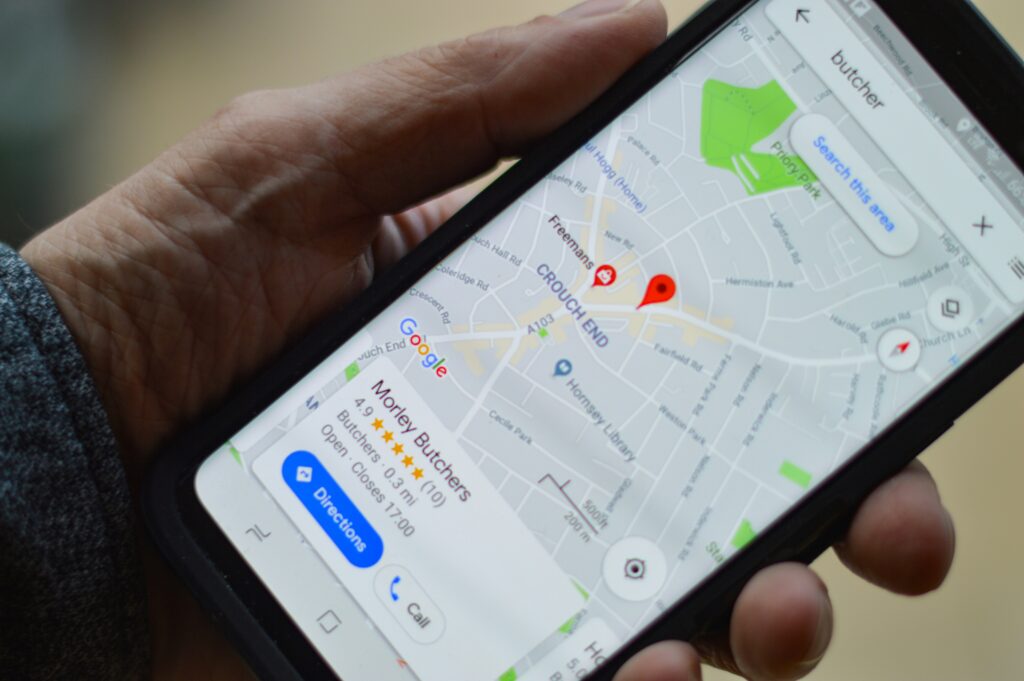
Local SEO helps search engines understand where a business works and what it offers. It also helps them judge how useful the business may be to nearby people. This matters for small firms that serve a town, city, region or set area.
The aim is to build a clear and trusted online presence. No single action can secure a set search ranking. However, correct details, useful content and regular updates can help customers and search engines make informed choices.
What is local SEO?
Local SEO aims to improve a business’s visibility in searches linked to a place. A search may include a location, such as “plumber in Bristol”. It may also show local intent without naming a place, such as “accountant near me”.
Search engines use several signs to decide which businesses to show. These may include the location, search topic, business details, website content and reviews. Search engines may also check if the company’s details match across the web.
Local SEO covers more than a website. It also includes map results, business listings, review sites and other online mentions.
Keep business information accurate
Clear and correct details can support local search visibility. Your main details should be accurate on every site where customers may find you.
Important information may include:
- Business name: Use the real name that customers know. Do not add keywords that are not part of it.
- Address or service area: Show location details that reflect how the business works.
- Telephone number: Check that the number is current and easy to use on a mobile phone.
- Website address: Make sure each listing links to the correct, secure website.
- Opening hours: Keep regular and seasonal hours up to date on every site.
- Business category: Choose the category that best matches the main service.
These details are often called NAP information. NAP means name, address and phone number. Matching details help customers and search engines link each listing to the same business. Conflicting details can cause confusion.
Complete and maintain your business listings
A Google Business Profile can help a company appear in Google Maps and local search results. Other directories and industry sites may also help people find and review the business.
Complete each profile with correct details. Add a suitable description, choose relevant categories and use real photos where needed. Do not create duplicate listings. Do not add services or locations that the business does not offer.
Check profiles often. Update them when contact details, hours, services or premises change. A listing may mislead people if it stays unchanged for several years.
Create useful location content
Your website should explain what the business does and where it works. The home page, service pages and contact page can provide this information.
Useful local content answers common customer questions. It may list the areas served and explain how a service works. It can also cover what customers should consider before making contact and how to take the next step.
Avoid thin location pages
Some websites have many pages with almost the same text. Only the town name changes. These pages often offer little value. If separate location pages are useful, give each one relevant information instead of repeated text.
Do not claim to have an office in a place unless the business has one there. A service-area business can say where it works without suggesting that it has premises in every town.
Use local terms naturally
Place names can show where a business works, but they should fit the text. Repeating the same phrase in every heading and paragraph makes a page hard to read. It also gives customers a poor experience.
Focus on the details that local customers need. Clear service descriptions, simple headings and correct location details are more useful than forced keywords.
Build a helpful review process
Customer reviews can show people what it may be like to work with a business. They may also support its local presence.
Businesses can ask real customers to leave honest feedback. Keep the process simple and consistent. Do not pressure people to post positive comments. Never make up reviews.
It is also good practice to reply in a professional way. Thank customers for positive feedback. If you receive a critical review, address the concern calmly. Do not share private details in a public reply. A measured response shows that the business listens, even when the feedback is difficult.
Make the website easy to use
Local visibility is only one part of the customer’s journey. When people visit the website, they need to understand the service and know how to make contact.
A useful small business website should provide:
- Clear details about the main services
- Correct location or service-area information
- Contact details that are easy to find
- A layout that works on mobile and desktop devices
- Simple links between key pages
- Current content with no broken or old information
Many local searches happen on mobile phones. Phone numbers should be easy to select, and text should be clear to read. A complex layout should not hide key details.
Keep your online presence consistent
A business may appear on its website, map services, social profiles, trade directories and review sites. Its main identity should stay the same across these platforms.
This goes beyond contact details. Service descriptions, branding and location details should broadly match. Each profile can use different wording, but the main message should not conflict.
Check major profiles at set times. Search for the business name, find old listings and correct errors where possible. If the phone number, address or way of working changes, update the main sources as soon as you can.
Measure relevant progress
Local SEO takes time and needs regular care. Do not focus on one ranking for a single search phrase. Review a wider set of useful signs instead.
These may include:
- Visits to key service and location pages
- Calls, forms and other real enquiries from nearby customers
- Actions taken through a business profile
- Accurate and complete listings
- Growth in genuine customer reviews
- Search terms that bring relevant visitors to the website
Results can vary by location, competition, search wording and the person searching. Rankings can also change over time. One search on one device does not show the full picture.
A practical local SEO checklist
- Check that the business name, contact details and location information are correct.
- Complete and update the main business profiles.
- Explain the services and service areas clearly on the website.
- Remove details that are old, repeated or misleading.
- Ask real customers for honest reviews and reply in a professional way.
- Make sure the website works well on mobile and desktop devices.
- Track progress through enquiries, profile activity and useful website visits.
- Repeat these checks each time the business changes.
Build strong foundations first
Good local SEO starts with correct, useful and consistent information. A clear website, current business profiles, helpful local content and genuine reviews can help customers understand the business. They can see who you are, what you offer and where you work.
Ubie Websites offers local SEO services for small businesses. These services aim to improve visibility in local Google searches and help firms reach nearby customers. The focus is on steady progress, not promises of set rankings.